With the support of the Canon Young People Programme, within the KiNO project we present the results of a documentary photography course exploring the ecology of Batumi and Adjara.
Unlike many KiNO courses built around individual projects, this programme was based on collective visual research. Participants worked in three groups — Trace, Water, and Living — each focusing on a different aspect of the relationship between the city, its inhabitants, and the natural environment.
Through research, field trips, observation and photography, each group developed a shared body of work. Participants photographed independently, but their images were discussed, selected and brought together as collective projects.
Anastasiia Novgorodska, Taisiia Ostrovskaia, Varvara Shykunova
On average, a city resident produces about 400 kg of waste per year. In resort cities, this figure is even higher due to the disposable lifestyle of tourists and ongoing construction booms. The pressure points of this process are especially visible against the backdrop of Adjara's nature: plastic in the sea surf, construction dumps in the shade of subtropical forests, and the "skeletons" of abandoned structures along tourist routes. As systems for waste separation and recycling are only beginning to emerge in the region, responsibility falls on each of us.
Liliia Vasylieva, Hordii Konoriev, Olesia Slobodeniuk
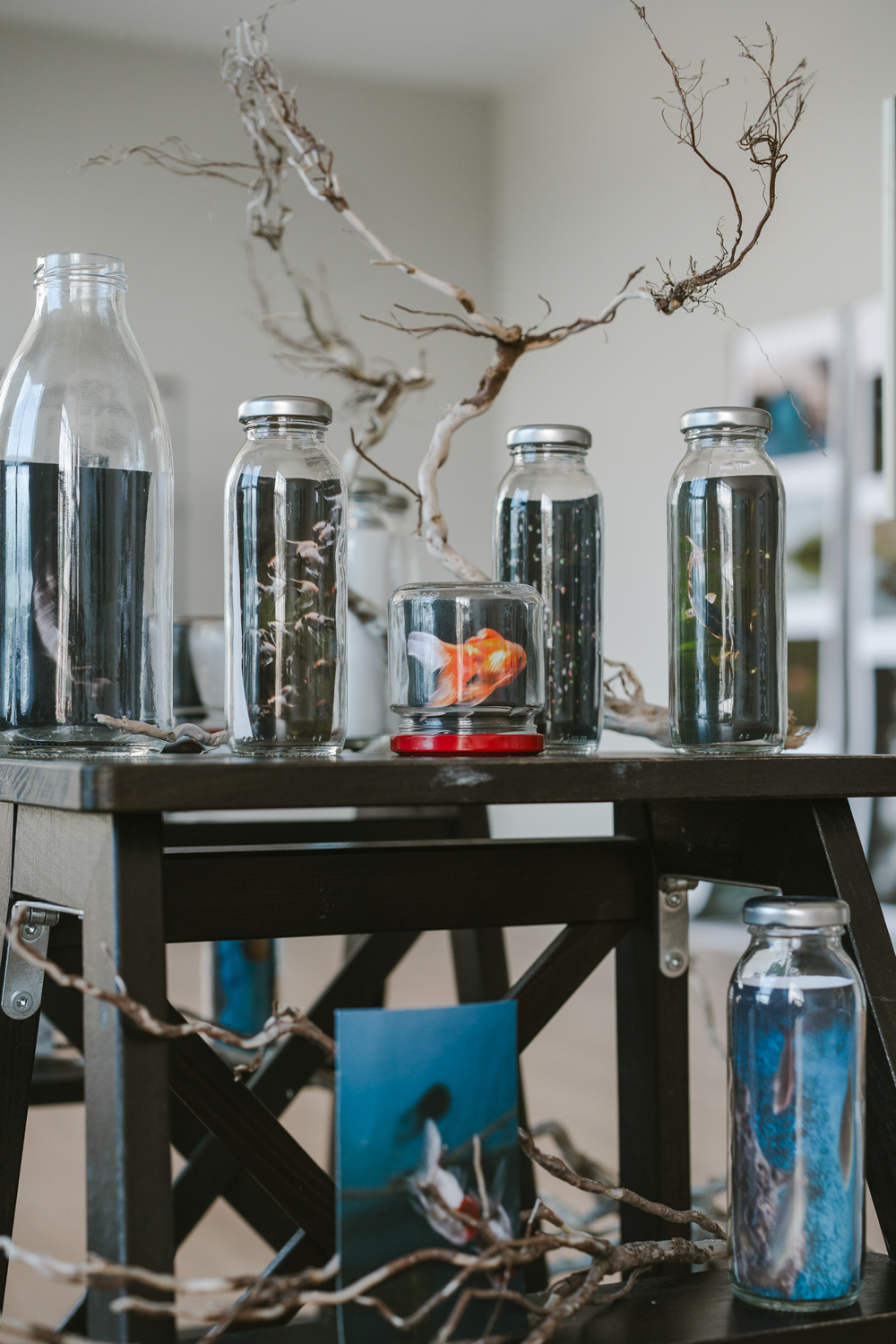
Water is the foundation of life and the defining element of Adjara, from sea depths to tropical downpours. While less than 1% of the world's water is suitable for drinking, Adjara possesses a unique wealth—vast freshwater resources. Yet local abundance does not cancel out global fragility: in Batumi, water is both a tourism asset and part of everyday life. Do we recognize the value of what seems limitless to us, and how does our presence alter this eternal cycle?
Volodymyr Yehorov, Eva Korzhenevska, Alina Pastushenko, Daria Fomina, Anastasiia Kharlamova
It is scientifically proven that regular contact with nature is essential for mental health and stress reduction. In Batumi, nature comes into close—and sometimes painful—contact with the urban environment: trees are squeezed into sidewalks, and street animals have become an integral part of our surroundings. These images are a reminder that the city does not belong to humans alone. The artists' works invite the viewer to shift perspective—from the urge to dominate nature to the search for coexistence, care, and balance.
Together, the three group projects form a collective study of Batumi through the traces people leave behind, the water that shapes the region, and the living beings with whom we share the city.
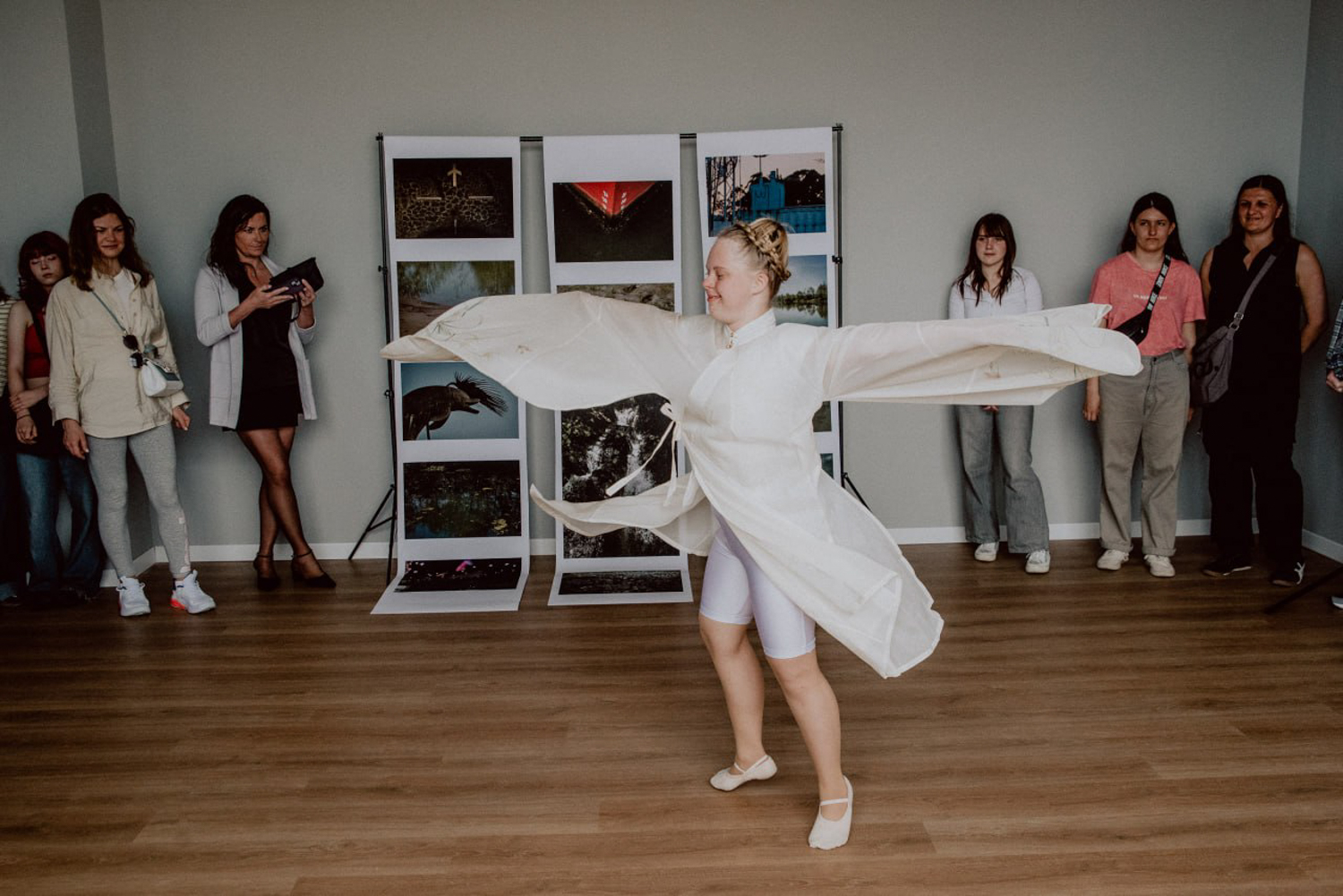
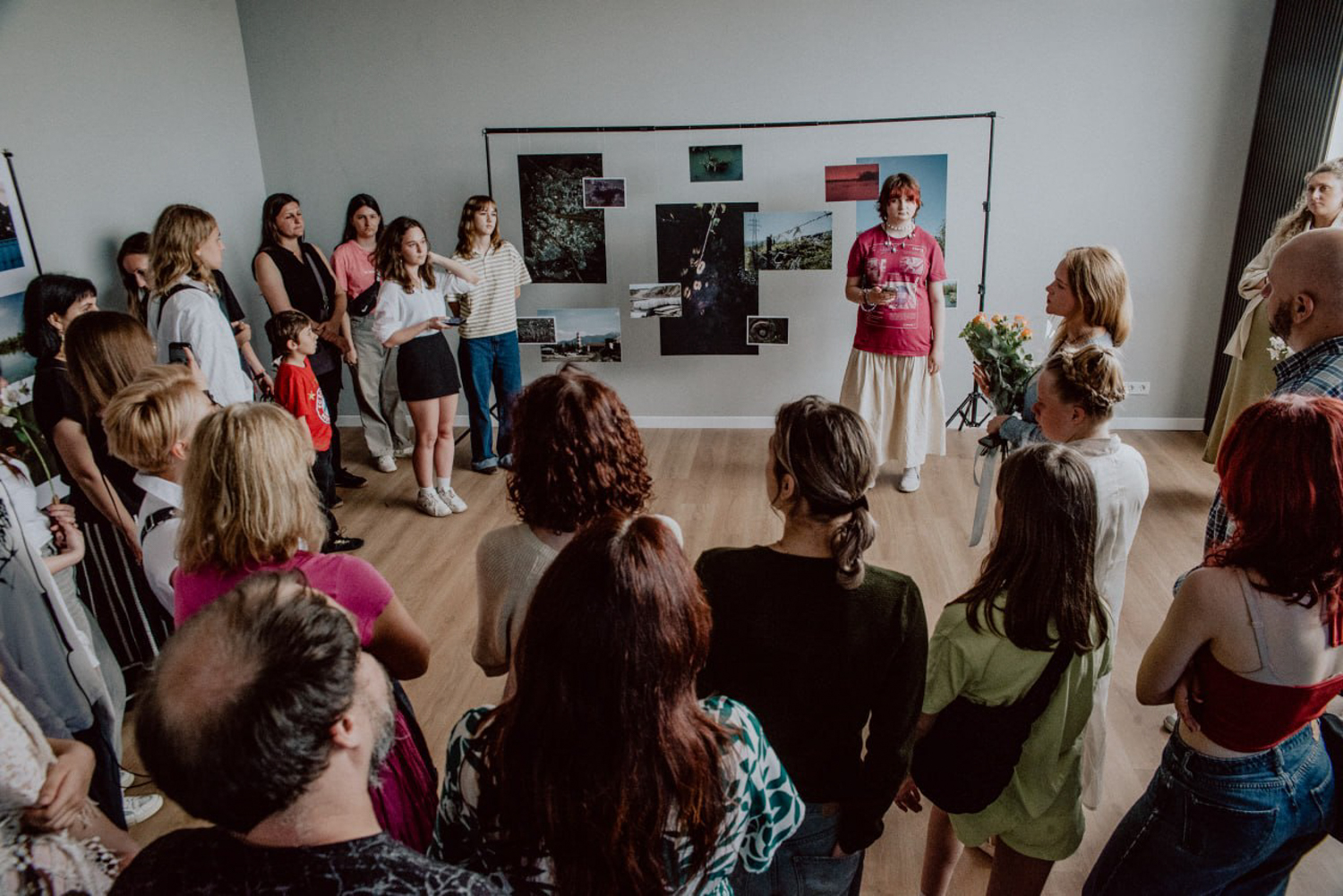
The course concluded with a public exhibition, where the three bodies of work were presented as interconnected parts of one larger exploration of urban ecology and our relationship with the environment.
Batumi is a place where nature and the city coexist closely, and animals and plants share a common space with humans. The ecology of Adjara is directly linked to its economic and social well-being: a clean sea, rivers, and green spaces support its tourist appeal and shape the region's identity.
We live here as guests, both in the context of personal emigration, and as representatives of humanity, sharing the planet with other species. Photography became a way for the participants to carefully explore the region, its nature, and its environment, an attempt to better understand the place that has welcomed us, and to leave behind a thoughtful and meaningful mark.
Over the course of four weeks, the authors worked on a visual study dedicated to one of three environmental themes:
Water
Focus: Sea, rivers, rainwater, plumbing
Question: How is the most valuable resource on Earth used?
Trace
Focus: Garbage, construction debris, abandoned buildings
Question: What remains after us?
Living
Focus: Animals and plants in the city
Question: How do they survive alongside us?
Participants: Lilia Vasilyeva, Vladimir Egorov, Gordey Konorev, Eva Korzhenevskaya, Anastasia Novgorodskaya, Taisiya Ostrovskaya, Alina Pastushenko, Olesya Slobodenyuk, Daria Fomina, Anastasia Kharlamova, Varvara Shikunova
Instructor: Stanislava Novgorodtseva
Exhibition Curators: Stanislava Novgorodtseva, Petr Antonov
The exhibition is open until May 27, daily from 3:00 PM to 7:00 PM
Free admission